Jim Bovard reflects on the legacy of Barack Obama’s presidency in light of Donald Trump’s. Obama is garnering favorable comparisons now, explains Bovard, but we shouldn’t forget all of the horrible things he did, especially on civil liberties and foreign wars. The cycle of corruption and lies continues with President Trump, whose presidency will more than likely lead to the reactionary election of yet another charlatan. Discussed on the show: “Obama’s Forgotten Frauds and Debacles” (The Future...
6/10/19 Doug Bandow on the Threats of War in Europe and Asia
Scott talks to Doug Bandow about North Korea, China, Russia, and the rest of eastern Europe. Bandow holds out hope for the negotiations with North Korea, but fears the dangerous rhetoric coming from neoconservatives about America’s relationship with China. They are not America’s enemies, he explains, they just want their own region to be free of U.S. influence. Discussed on the show: “China Isn’t an Enemy and Hawks Shouldn’t Turn It Into One” (The American Conservative) “Forget the U.S.-China...
6/7/19 Eli Clifton on Israeli Money in American Politics
Eli Clifton discusses the influence of the Israel lobby over American politics. Even for President Trump, who famously claimed he didn't need money from big donors, Israeli and Jewish-American money is important because it can win congressional elections, and Trump needs a Republican congress if he wants to get his agenda through. Discussed on the show: "FDD Aligned With State Department To Attack Supporters Of Iran Diplomacy" (Lobe Log) "Watch the film the Israel lobby didn't want you to see"...
6/7/19 William Astore on the Ten Tenets of Air Power
Scott interviews William Astore about his recent TomDispatch piece on American air power. Astore, a retired Air Force officer, explains what he was and was not taught about bombing as a strategy in war, most notably the fact that the perception of the U.S. military by the people getting bombed is rarely considered. Air power, and particularly unmanned drones, explains Astore, creates a tremendous amount of blowback from people living under the constant threat of death from the skies. This has...
6/7/19 Joe Lauria on the Dangerous Precedent of the Assange Indictment
Joe Lauria discusses the dangerous legal precedent set by the case against Julian Assange, whose actions in leaking government documents are not categorically different from those of a journalist. As Glenn Greenwald points out, there’s no “license” that makes someone a journalist, and no way to definitively identify an act of journalism—the first amendment must apply to everyone, regardless of their character and especially of the impact to the government of what they write. Discussed on the...
5/31/19 Mike Swanson on Trump’s Trade War and the Current Bubble
Mike Swanson joins Scott to talk about President Trump’s latest tariff announcement against Mexico. Trump and his team may think these trade policies are good for the economy, says Swanson, but they may also just be using the trade war as a way to shift blame elsewhere, should the U.S. have a bad recession during Trump’s presidency. Yet another possibility is that Trump knows protectionism is deleterious overall, but believes the effect may be worse on countries like Mexico and China, so that...
5/31/19 Aaron Maté on Russiagate after the Mueller Report
Scott talks to Aaron Maté about the continuing Russiagate narrative. Democrats have far too much invested in the idea that Trump somehow stole the election from Hillary Clinton, says Maté, to ever admit that they were wrong in their hysteria. Maté reminds us that many skeptics aren’t even sure the DNC emails were hacked by anyone, let alone Russia, but may instead have been leaked from someone on the inside. Discussed on the show: “NBC Claims Russians Plan To Give African Americans Combat...
5/31/19 Giorgio Cafiero on Iraq War III 1/2
Giorgio Cafiero of Gulf State Analytics discusses the mess that U.S. foreign policy has made of the Middle East in light of the news that ISIS leader Abu Bakr al-Baghdadi is in fact alive after many claims and rumors to the contrary. President Trump, Scott and Cafiero agree, has made a few good moves against America's recent foreign policy trend, but for the most part has adhered exactly to the precedents of Obama, both Bushes, and Clinton. Discussed on the show: "Baghdadi’s Alive, and So Is...
5/31/19 Daniel Ellsberg on the Importance of Whistleblowers
Famed whistleblower Daniel Ellsberg talks to Scott about the importance of people like Julian Assange and Chelsea Manning, who are keeping alive the role of good journalists in an age where the media increasingly serves the political establishment. They discuss the mistreatment of Assange and the history of the use of the Espionage Act against journalists. Discussed on the show: Jamal Khashoggi Espionage Act of 1917 “The Most Dangerous Man in America: Daniel Ellsberg and the Pentagon Papers...
5/31/19 David Vine on the Plight of the Chagossians
David Vine explains the delicate situation of British colonial rule over the Chagos Archipelago, where thousands of native residents were forced to leave their homes in order for the United States to build a military base there. The UN has condemned the move in an overwhelming vote. Discussed on the show: Let Us Return USA U.S. Chagossian Support Group David Vine is a professor of Anthropology at American University and the author of Island of Shame: The Secret History of the U.S. Military...
5/31/19 Jason Ditz on the Israeli Elections
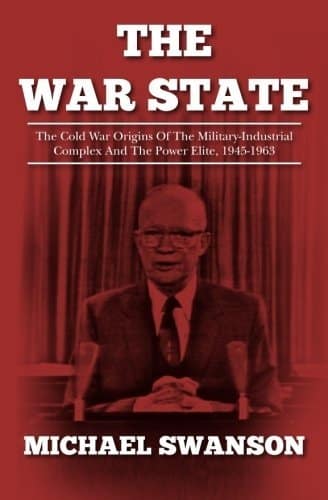
Jason Ditz discusses Netanyahu's failure to form a new government and call for new elections in September. Jason Ditz is the news editor of Antiwar.com. Read all of his work at news.antiwar.com and follow him on Twitter @jasonditz. This episode of the Scott Horton Show is sponsored by: Kesslyn Runs, by Charles Featherstone; NoDev NoOps NoIT, by Hussein Badakhchani; The War State, by Mike Swanson; WallStreetWindow.com; Roberts and Roberts Brokerage Inc.; Tom Woods’ Liberty Classroom;...
5/31/19 Gilbert Doctorow on the ‘Euroskeptics’ Promoting Peace with Russia
Gilbert Doctorow explains the shifting landscape of European parliamentary politics, including the dangerous trend toward antagonism against Russia. The main problem for many years, says Doctorow, was that a single centrist coalition controlled almost everything, and they were largely hawks. Recent elections, however, have begun to shift political energy toward populism and “euroskepticism”, which may be a good thing for peace. Discussed on the show: “The 2019 European Parliamentary Election:...
5/31/19 Nasser Arrabyee on the Humanitarian Disaster in Yemen
Nasser Arrabyee is back with an update on the war in Yemen, where the UN estimates a quarter of a million people have died either in combat or because of the deprivation resulting from the war. Arrabyee reminds us that the objectives of this war are totally unachievable and nothing will change unless the U.S., in the hands of President Trump, decides to end the war altogether. Discussed on the show: "UN Chief Denies Hadi's Accusation of Siding With Houthis" (News From Antiwar.com) Impact Of...
5/31/19 Trevor Timm on the Century’s Greatest 1st Amendment Threat
Trevor Timm discusses the arrests of Julian Assange and Chelsea Manning. Manning is only being held in jail because she refuses to testify in Assange’s case, a move that Scott and Timm agree is unconstitutional and with any luck will be struck down in court so Manning can go free. Although they were mostly quiet at Assange’s arrest, some American newspapers are finally standing up for Assange and Manning on the grounds that what they do is not really all that different, and that everyone in...
5/26/19 Ted Postol on the Proof that the Douma Attack was Staged
Ted Postol talks about the recently leaked document from a team of engineers at the Organization for the Prohibition of Chemical Weapons, which shows that the narrative of the supposed chemical attack last year in Douma simply doesn’t fit the science of how the weapons would have to have been deployed. Discussed on the show: “Postol: Newly Revealed Documents Show Syrian Chemical “Attacks Were Staged”” (Accuracy.Org) Organisation for the Prohibition of Chemical Weapons Ted Postol is a professor...