
Q & A Shows
No Results Found
The page you requested could not be found. Try refining your search, or use the navigation above to locate the post.
The Stress Blog
Ron Paul for President 2008!
Oh wait. That's right. I forgot. It's too late for that.
Antiwar Radio 2/20/09: Gareth Porter, Robert Higgs
Today on Antiwar Radio, You, me, the news, Gareth Porter and Robert Higgs. KAOSRadioAustin.org or Antiwar.com/radio 11-1pm Pacific.
Recent Episodes of the Scott Horton Show
9/6/21 Clive Stafford Smith on Ahmed Rabbani and the Other Innocent Men Being Held at Guantanamo Bay
Scott interviews Clive Stafford Smith about a recent article written by his client Ahmed Rabbani. Rabbani has been in custody for 19 years without a single charge being brought against him. In 2002 he found himself in the hands of the CIA who allegedly believed he was a man named Hassan Ghul. But even after the real Ghul was captured and brought to the same prison Rabbani was being kept in, the CIA kept trying to extract information from Rabbani. Ghul cooperated and was freed. But Rabbani was sent to Guantanamo Bay where he remains today. Smith explains some of the difficulties facing him as he argues Rabbani’s case and sheds some light on how common his story really is.
Discussed on the show:
- “The U.S. Has Held Me For 19 Years Without A Charge. I Have Just One Chance To Be Freed” (Huffington Post)
- The Senate Torture Report
Clive Stafford Smith is founder of Reprieve, and is now director of his new non-profit the 3DCentre. He is the author of Bad Men: Guantánamo Bay and the Secret Prisons and Injustice: Life and Death in the Courtrooms of America. Follow him on Twitter @CliveSSmith.
This episode of the Scott Horton Show is sponsored by: The War State and Why The Vietnam War?, by Mike Swanson; Tom Woods’ Liberty Classroom; ExpandDesigns.com/Scott; EasyShip; Thc Hemp Spot; Green Mill Supercritical; Bug-A-Salt; Lorenzotti Coffee and Listen and Think Audio.
Shop Libertarian Institute merch or donate to the show through Patreon, PayPal or Bitcoin: 1DZBZNJrxUhQhEzgDh7k8JXHXRjYu5tZiG.

Podcast: Play in new window | Download
Recommended reading
12/03/08 – Matthew Alexander – The Scott Horton Show
Matthew Alexander, former U.S. military interrogator and author of the opinion piece ‘I’m Still Tortured by What I Saw in Iraq‘ published in the Washington Post, discusses how information gleaned from ethical interrogations enabled the killing of Abu Musab al-Zarqawi, the relatively moderate views of most Iraqi Al-Qaeda members who joined for practical rather than ideological reasons, the moral and operational failure of torture and the enduring legacy of Abu Ghraib and Guantanamo as a recruiting aid for violent extremists.
Podcast: Play in new window | Download
12/02/08 – Frida Berrigan – The Scott Horton Show
Frida Berrigan, co-author of the article ‘Who Rules the Pentagon?’, discusses Obama’s distinctly non-reformist national security team, the need to reevaluate the meaning of ‘national defense’ amidst a U.S. empire of bases, the struggle between realists and neocons over weapons procurement dollars and the public relations campaign of defense contractors to base Pentagon funding on a percentage of GDP.
Podcast: Play in new window | Download
12/02/08 – Chris Hedges – The Scott Horton Show
Chris Hedges, author of War is a Force that Gives Us Meaning, discusses the anti-occupation motives of terrorists, the similarities of extremists that transcend religion and culture, how a U.S. economic collapse could usher in a popular uprising of the Christian Right, the desperate and mostly ignored situation in the Gaza Strip and the terrible consequences of a war with Iran.
Podcast: Play in new window | Download
12/01/08 – Bill Barnwell – The Scott Horton Show
Bill Barnwell, minister from Michigan and writer for LewRockwell.com, discusses the merit of the ‘Obama is the Antichrist’ rumors, how American dispensationalists influence Mideast policy, the havoc created if a Third Temple were rebuilt in Israel, the wisdom of a historical-contextual reading of the Bible and the conflict between militarist theology and Biblical scripture.
Podcast: Play in new window | Download
12/01/08 – Katrina vanden Heuvel – The Scott Horton Show
Katrina vanden Heuvel, editor and publisher for The Nation magazine, discusses the incoming Obama Administration, the popular backlash against corporate power, the ethical and practical necessity of ending the wars in Iraq and Afghanistan, how an escalation in Afghanistan would ruin the promise of change and hope from the Obama campaign, the impotence of conventional military power against the contemporary threats of asymmetrical warfare and piracy and why NATO should be disbanded and a new cold war with Russia prevented.
Podcast: Play in new window | Download
11/28/08 – Eric Margolis – The Scott Horton Show
Eric Margolis, author of American Raj: Liberation or Domination?: Resolving the Conflict Between the West and the Muslim World, discusses the Mumbai terrorist attacks, India’s numerous enemies both foreign and domestic, the 2002 Gujarat province massacre of Indian Muslims, the sixty year long battle over Kashmir and the risk of an India-Pakistan nuclear war.
Podcast: Play in new window | Download
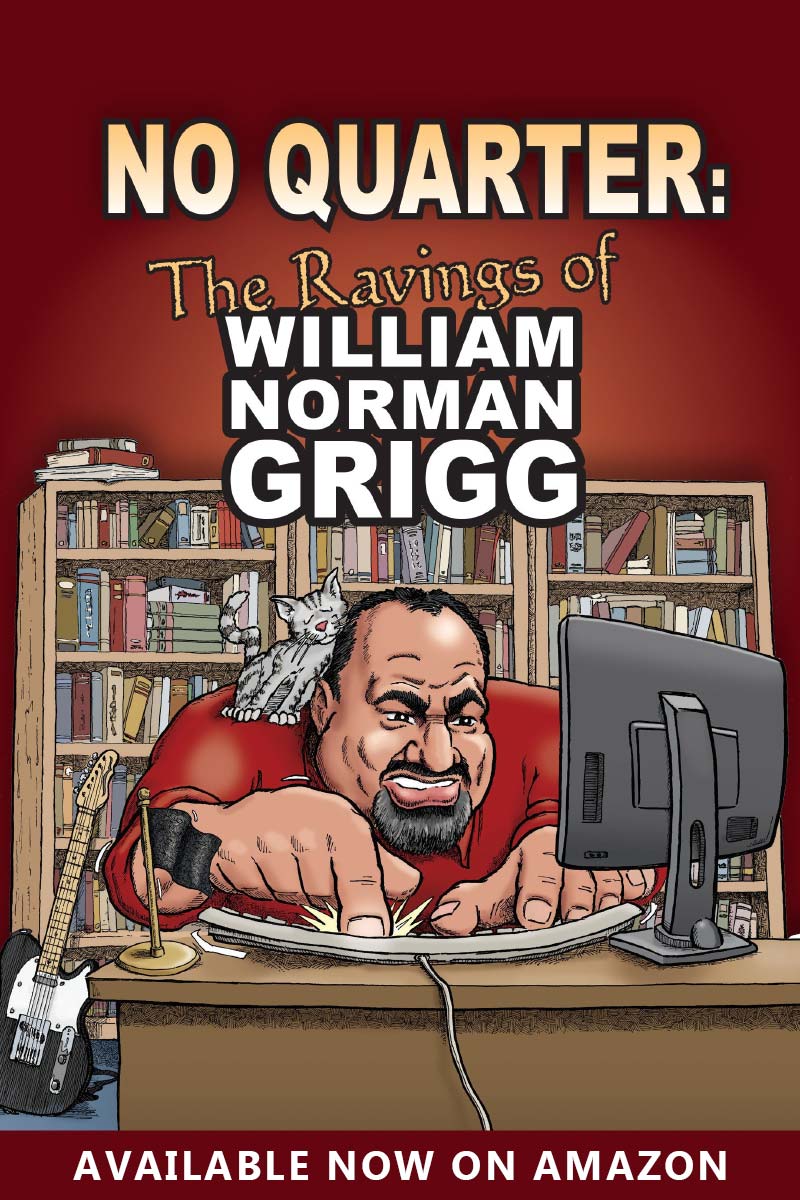
11/25/08 – Will Grigg – The Scott Horton Show
Will Grigg, blogger and author of Liberty in Eclipse, discusses the origins and authoritarian tendencies of the Democratic and Republican parties, Alexander Hamilton’s role in quelling the Whiskey Rebellion and his legacy of centralized economic and military power, the carefully orchestrated packaging and branding of Barack Obama as an agent of peace and change, the U.S. Treasury Department’s usurpation of Congressional legislative authority and local law enforcement’s increasing role as tax collectors.
Podcast: Play in new window | Download
11/24/08 – David Henderson – The Scott Horton Show
David R. Henderson, research fellow with the Hoover Institution and author of ‘The Wartime Economist‘ for Antiwar.com, discusses his article ‘The Libertarian Case against the War in Afghanistan,’ the efficacy of using ethical reasoning in foreign policy arguments, the inconsistent U.S. extradition policies regarding Luis Posada Carriles and Osama bin Laden, the exaggerations of systemic risk used to justify bailouts, the limited short-term risk of inflation and why a fractional reserve banking system could continue to exist without a central bank.
Podcast: Play in new window | Download